The Importance of Precision Engineering in Mining Cutting Tools
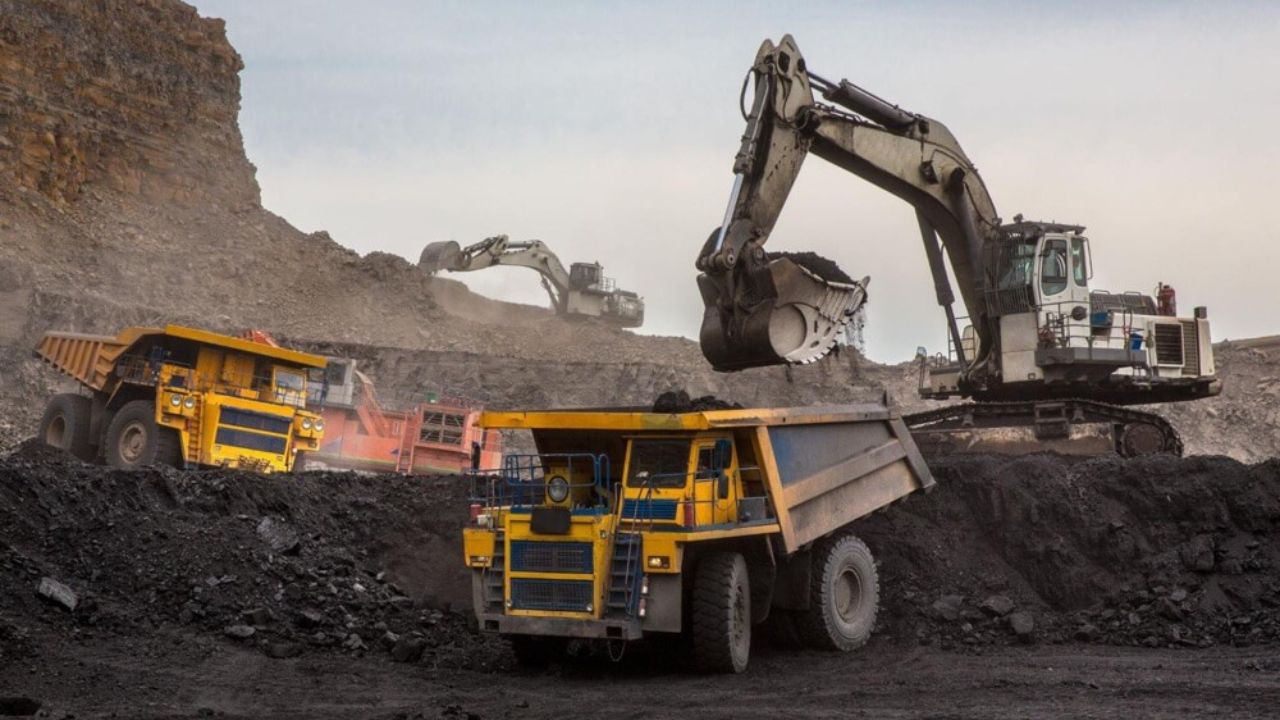
Precision engineering is important in the production and functionality of the modern mining cutting tools. In the coal mining, tunneling, and rock excavation industry, the equipment is subjected to extreme mechanical loads, abrasion, and continuous impacts. Mining cutting tools should then be made with outstanding precision and durability to guarantee effective working for underground mining. Precision engineering is the maintenance of every component to precise specifications to enable the mining machines to work in harsh conditions in a consistent manner. Without this kind of engineering accuracy, there would be lower productivity, higher costs of operation, and more frequent equipment failure.
Role of Precision Engineering in Tool Performance
Mining cutting tools, such as cutting picks and drill bits, are used to cut through rock and coal formations. These tools should remain sharp, strong, and stable, with continuous usage. Precision engineering focuses on making every tool with correct geometry, well-balanced weight distribution, and the best material composition. Any little change in design may result in unbalanced wear or low cutting efficiency.
In high-performance mining machines, including roadheaders and continuous miners, cutting forces are balanced by the cutting tools, which are precision-engineered. This will decrease unnecessary tension on the tool and the machine. Consequently, the equipment works more efficiently, and the use of energy is minimized with the high productivity level.
Material Selection and Structural Accuracy
The selection and treatment of materials is one of the most important aspects of the precision engineering of mining cutting tools. The high strength steel bodies are generally used as tools together with tungsten carbide tips because they are hard and wear-resistant. Precision engineering makes sure that these materials are bonded properly and are placed properly in the tool structure.
The fit of the carbide tip to the steel shank is of utmost importance in tool stability. When the alignment is not extreme, the tool can vibrate, wear out prematurely, or break down due to heavy load. The process of advanced manufacturing, such as heat treatment and surface hardening, is done with strict control, ensuring that there is uniform strength throughout the tool. This increases the capability of the tool in enduring tough mining conditions.
Impact on Mining Efficiency and Productivity
Mining is also highly enhanced by precision-cutting tools. Accurately designed and manufactured tools are more effective in cutting through rock formations, thus saving time on the excavation process. This results in quicker completion of projects and higher production in the mining activities.
Moreover, the accuracy of the tools saves time, which is spent on changing or repairing the tool. As mining operations may be 24/7, even brief disruptions may lead to considerable loss in productivity. Tools of high precision provide a longer lifespan as they remain stable in their operations without having to go through maintenance shutdowns, enhancing the overall reliability of their operations.
Impact on Mining Efficiency and Productivity
The conditions in the mines are highly hostile, dust levels are high, pressure and impact forces are intense. Precision engineering involves the construction of cutting tools that can withstand such conditions without quick deterioration. Precise tool flanking and optimization of tool angles enable a smoother cut through rock and coal beds.
Special coating and hardfacing further promote wear resistance. These are surface treatments that are done with great precision so as to be covered in all parts and give maximum protection. Thereby, tools will remain operational even under the most abrasive environments, increasing their service life and minimizing replacement expenditures.
Durability in Harsh Mining Environments
Mining machines are greatly reliant on their cutting tools. Improperly designed tools may lead to imbalance, vibration, and extreme mechanical strain on the equipment. Precision engineering can assist in removing such problems by making sure that tools can fit well into machine assemblies and they function with a small deviation.
Well-balanced and stable cutting tools minimize the chance of mechanical failure, which may result in accidents or damage to equipment. In large-scale mining operations, maintaining safety standards is as important as achieving productivity targets.
Conclusion
Precision engineering is an inherent aspect of designing and manufacturing mining cutting tools. It makes sure that tools perform highly, with durability and efficiency in one of the most demanding environments. Precision engineering can boost machine performance and operational productivity by ensuring superior material choice, structural accuracy, and wear resistance. As mining technology advances, the need to have cutting tools that are extremely accurate and durable will only increase, meaning that precision engineering will act as an indispensable component in the future of the industry.