How One Etsy Seller Built a Side Business Starting With Blank Tumblers
A friend of mine started selling custom tumblers on Etsy about three years ago. At the time she had a full-time job, a sublimation printer she’d bought on impulse, and no real plan. Today it’s her main income. I asked her to walk me through how it happened, because the path she took is one I think a lot of people overlook.
It Started With the Wrong Supplier
Her first order was a disaster. She’d found a supplier through a quick Google search, ordered 50 blank tumblers, and was excited to get started. When the boxes arrived, the tumblers were inconsistent — some had visible seams, a few had dents, and the coating on several of them bubbled when she ran her first sublimation test.
She lost money on that batch. Not a catastrophic amount, but enough to make her take the sourcing side of the business seriously.
“I was treating the blank as a commodity,” she told me. “Like all tumblers are basically the same and the only thing that matters is the price. That’s completely wrong.”
What She Changed
After that first bad batch, she started researching more carefully. The key things she learned to check were material grade (304 stainless steel, not the cheaper 201), coating consistency for sublimation, and whether the supplier could send actual samples before she committed to a larger order.
She also realized she needed a proper tumbler supplier — one that worked with small businesses and understood customization requirements, not just a middleman reselling factory overstock.
The difference in the final product was immediate. The sublimation transferred cleanly. The tumblers felt solid. Customers stopped asking why the colors looked slightly off.
Building the Product Line
Once she had a reliable blank, she could focus on what actually made money: the designs.
Her first winning design was a set of botanical patterns — delicate line illustrations of plants and herbs. She’d made them herself in Procreate. The tumblers sold out in a week. She reordered blanks, made more, and started building a backlog of designs that she could reprint anytime.
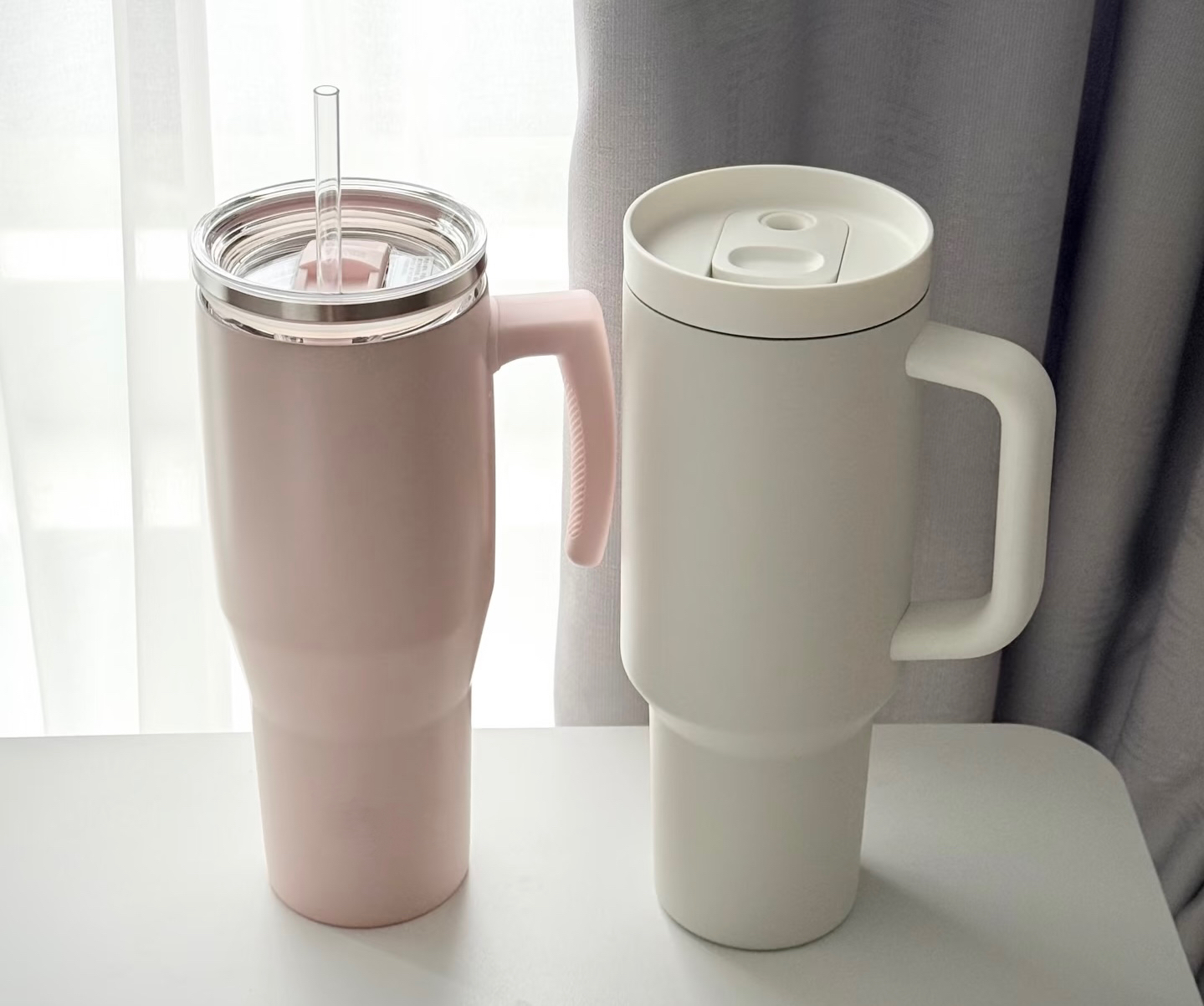
The 20oz skinny tumbler turned out to be her best seller by a significant margin. It fits in a standard car cupholder, it’s slim enough to carry in most bags, and the surface area is ideal for full-wrap designs. The 40oz versions do well too, especially around Mother’s Day and the holidays when people are looking for something that feels substantial.
She keeps her catalog tight — about a dozen active designs at any given time. She found that too many options confused buyers and led to lower conversion rates.
The Pricing Reality
One thing she was upfront about is that the margins aren’t as generous as they look from the outside. By the time you account for the blank, the sublimation ink and paper, shipping materials, Etsy fees, and the time spent printing and packaging, you’re not making a windfall on a $28 tumbler.
What made it work financially was volume and repeat customers. When someone buys a tumbler as a gift and the recipient loves it, they often come back to buy one for themselves. She started capturing email addresses for that reason and sends a brief note a few months after purchase.
She also expanded into bulk custom orders — businesses wanting tumblers with their logos for employee gifts or events. Those orders are less creative work but more reliable revenue. A single corporate order of 100 units brings in more than a week of individual Etsy sales.
What She’d Tell Someone Starting Today
Her advice was practical: don’t cheap out on the blank, don’t try to offer every size and color upfront, and don’t underestimate how much packaging matters. Customers on Etsy are paying a premium for something that feels intentional. If the tumbler arrives in a flimsy bag with no tissue paper and a printed receipt stapled to the outside, you’ve already lost them.
And find your supplier before you launch. Don’t wait until you have orders and then scramble to find inventory. Know your source, order samples, and have a second option in mind in case your first choice has a delay.
She still runs the whole operation herself out of a spare bedroom. The printer is older now and she’s saving up for a better one. But the tumblers are still the same blanks she switched to after that first disaster — she’s never had a reason to change.